For all but a few of us, most New Year's resolutions get packed away with the last of the Christmas decorations. By Epiphany our behavior and the whole New Year are just as tarnished as they were before January 1st.
The problem with most of our resolutions is that they are too safe, too sensible and too self-centered. We resolve to make tiny cosmetic changes in our lifestyles -- but refuse to consider restructuring our lives and changing the paradigms by which we live. Saint Luke's single story about the boy Jesus offers us an example of what it would mean if we were to transform our lives by making the ultimate resolution, the mother of all New Year's resolutions, the resolution that ends all resolutions -- to declare that from this day forward we will be "about our Father's business."
Joseph and Mary, their friends, neighbors and relatives, all made the required pilgrimage to Jerusalem for the Passover feast. But as soon as the allotted time for the holiday was over, they hit the road -- anxious to get back to all the chores and responsibilities that filled their lives. Joseph, a craftsman working with stone and wood, undoubtedly had projects awaiting his attention. Mary would have had the hundreds of time-consuming tasks it took to keep her family fed and clothed. Like most of us at the end of an extended vacation, they were probably looking forward to getting back to the comfortable familiarity of their own hearth and home.
But the young Jesus refuses to let his relationship with God be regulated according to some prearranged, culturally imposed schedule. Instead of going along with the return-to-business-as-usual attitude, Jesus answered the most important call of all -- to be about his Father's business.
What would it mean if we were to act in a similar fashion? What would it mean to live, not according to human expectations or cultural patterns, but according to what God required of us? What does it mean to be about God's business, rather than other people's business, or even other people's definition of God's business? Jesus discovered at this early age that answering God's expectations can get you in trouble -- even with your own family. In fact, focusing on God's business may put an unexpected crimp in the family business."
The problem with most of our resolutions is that they are too safe, too sensible and too self-centered. We resolve to make tiny cosmetic changes in our lifestyles -- but refuse to consider restructuring our lives and changing the paradigms by which we live. Saint Luke's single story about the boy Jesus offers us an example of what it would mean if we were to transform our lives by making the ultimate resolution, the mother of all New Year's resolutions, the resolution that ends all resolutions -- to declare that from this day forward we will be "about our Father's business."
Joseph and Mary, their friends, neighbors and relatives, all made the required pilgrimage to Jerusalem for the Passover feast. But as soon as the allotted time for the holiday was over, they hit the road -- anxious to get back to all the chores and responsibilities that filled their lives. Joseph, a craftsman working with stone and wood, undoubtedly had projects awaiting his attention. Mary would have had the hundreds of time-consuming tasks it took to keep her family fed and clothed. Like most of us at the end of an extended vacation, they were probably looking forward to getting back to the comfortable familiarity of their own hearth and home.
But the young Jesus refuses to let his relationship with God be regulated according to some prearranged, culturally imposed schedule. Instead of going along with the return-to-business-as-usual attitude, Jesus answered the most important call of all -- to be about his Father's business.
What would it mean if we were to act in a similar fashion? What would it mean to live, not according to human expectations or cultural patterns, but according to what God required of us? What does it mean to be about God's business, rather than other people's business, or even other people's definition of God's business? Jesus discovered at this early age that answering God's expectations can get you in trouble -- even with your own family. In fact, focusing on God's business may put an unexpected crimp in the family business."


 —Dietrich Bonhoeffer, “Letter to his fiancée Maria von Wedemeyer,” December 1, 1943, in God Is in the Manger: Reflections on Advent and Christmas (Westminster John Knox, 2012), 6.

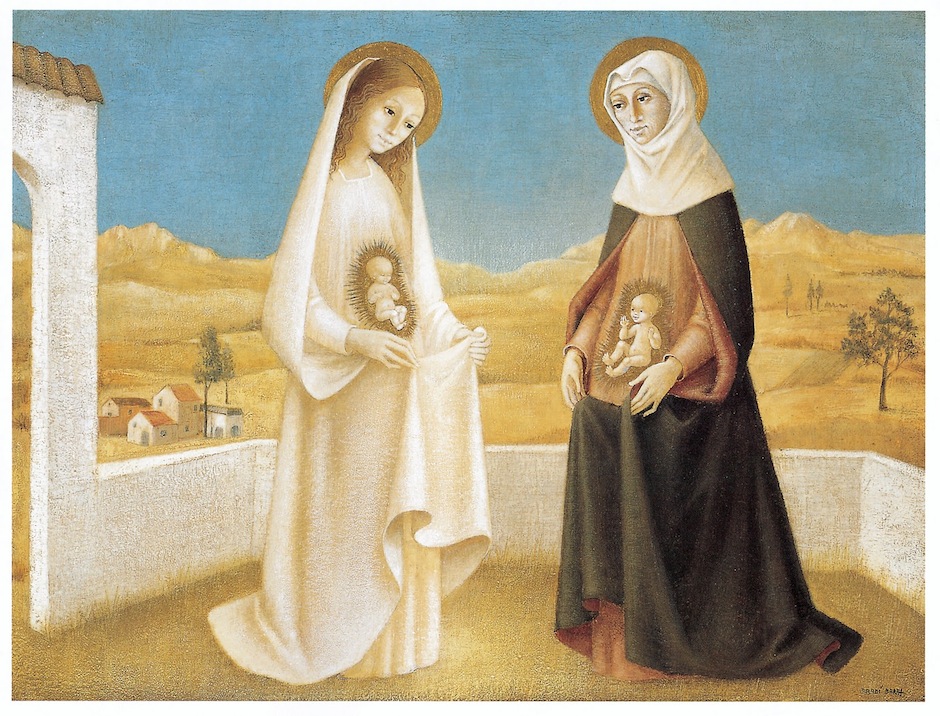
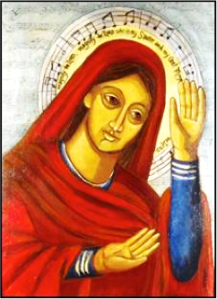

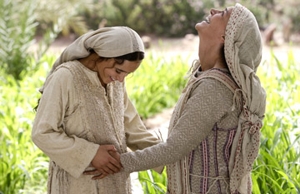 Mary sings about the promise of what happens when God occupies the earth as its true king. When God is king, all human power structures get overturned — the proud are replaced by the humble, the hungry are filled and the wealthy go hungry.
 While Mary sings with joy, we know what all of this will cost her.
 S
S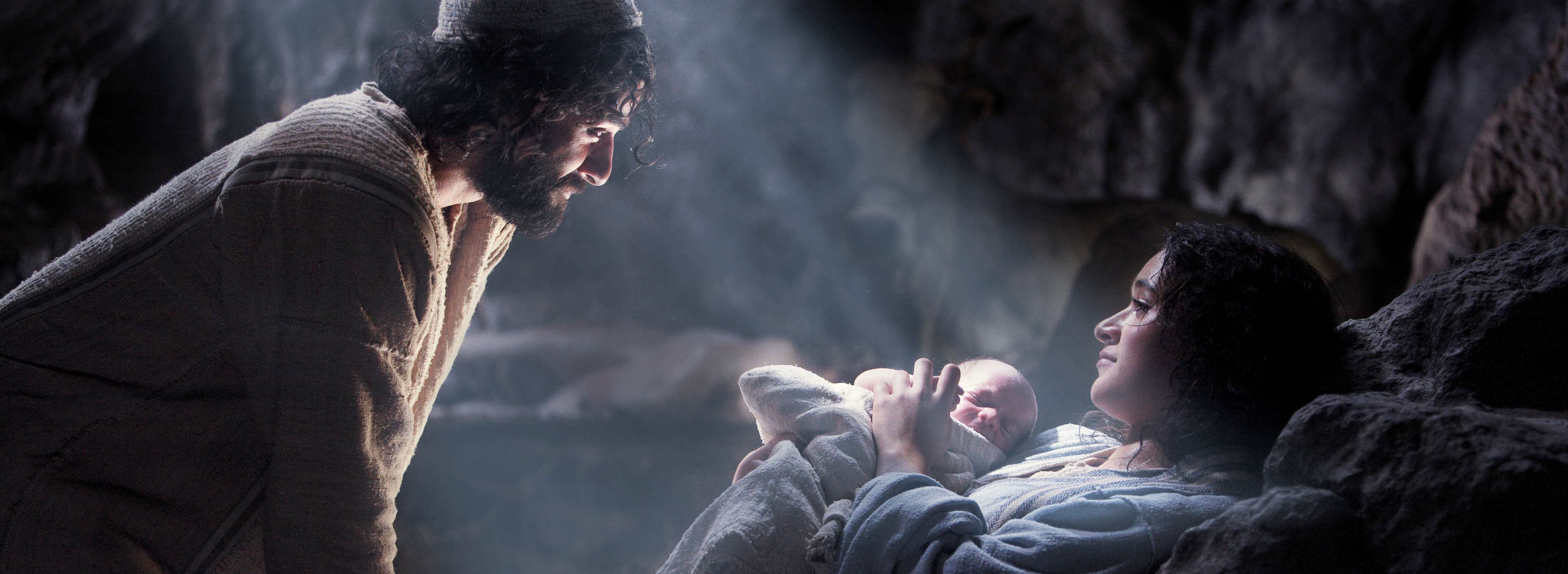 “I am bringing you good news of great joy for all the people,” proclaimed the angel.


 It was the autumn of 1621. In Plymouth, Massachusetts, after a rich harvest, the men, women and children who had survived the first year in the New World gathered for a feast to offer thanks.