
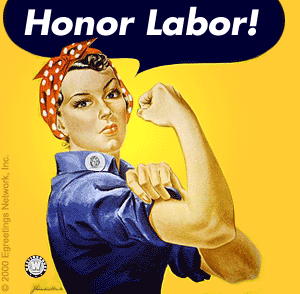
The history of Labor Day traces back to a demonstration by the Central Labor Union on Tuesday, September 5, 1882. This New York City trade union organized a parade or march from City Hall to Reservoir Park in Union Square. At the park, there were picnics, a concert and speeches calling for an eight-hour workday.
At the time, the average workweek for a full-time manufacturing employee was 100 hours. That works out to about 14 hours per day, seven days per week. Imagine working from 7 a.m. to 9 p.m. every day. That doesn't leave much time for anything else.
Congress passed legislation creating Labor Day in 1894. However, it would take 48 years for the speeches made in Reservoir Park in 1882 to bear fruit. The eight-hour workday and the 40-hour workweek did not become the standard we know today until 1940.
Yet, many of us still struggle to find a balance between our work and the rest of our lives. Even as we celebrate Labor Day, we might be tempted to peek at email or check our office voicemail just to be sure we haven't missed anything important.
We want to believe our lives are more than what we do, yet our inability to disengage from our jobs tells a different story. We still tend to measure our lives by what we do -- our roles, our jobs and our informal social statuses. Some of us view ourselves only useful at work.
At the time, the average workweek for a full-time manufacturing employee was 100 hours. That works out to about 14 hours per day, seven days per week. Imagine working from 7 a.m. to 9 p.m. every day. That doesn't leave much time for anything else.
Congress passed legislation creating Labor Day in 1894. However, it would take 48 years for the speeches made in Reservoir Park in 1882 to bear fruit. The eight-hour workday and the 40-hour workweek did not become the standard we know today until 1940.
Yet, many of us still struggle to find a balance between our work and the rest of our lives. Even as we celebrate Labor Day, we might be tempted to peek at email or check our office voicemail just to be sure we haven't missed anything important.
We want to believe our lives are more than what we do, yet our inability to disengage from our jobs tells a different story. We still tend to measure our lives by what we do -- our roles, our jobs and our informal social statuses. Some of us view ourselves only useful at work.





 (Vatican Radio) Pope Francis on Sunday said “life is not a video game or a soap opera; our life is serious and the goal to achieve is important: eternal salvation.” Speaking to pilgrims gathered for the Angelus prayer in St. Peter's Square, the Pope focused on the theme of eternal salvation and referred to the day’s Gospel reading in which a man asks Jesus how many people will be saved. “It doesn’t matter how many,” the Pope noted, “but it is important that everyone knows which is the path that leads to salvation.” And the door to salvation lies in Jesus, he said, and we can cross the threshold of God's mercy through love, and by overcoming pride, arrogance and sin.


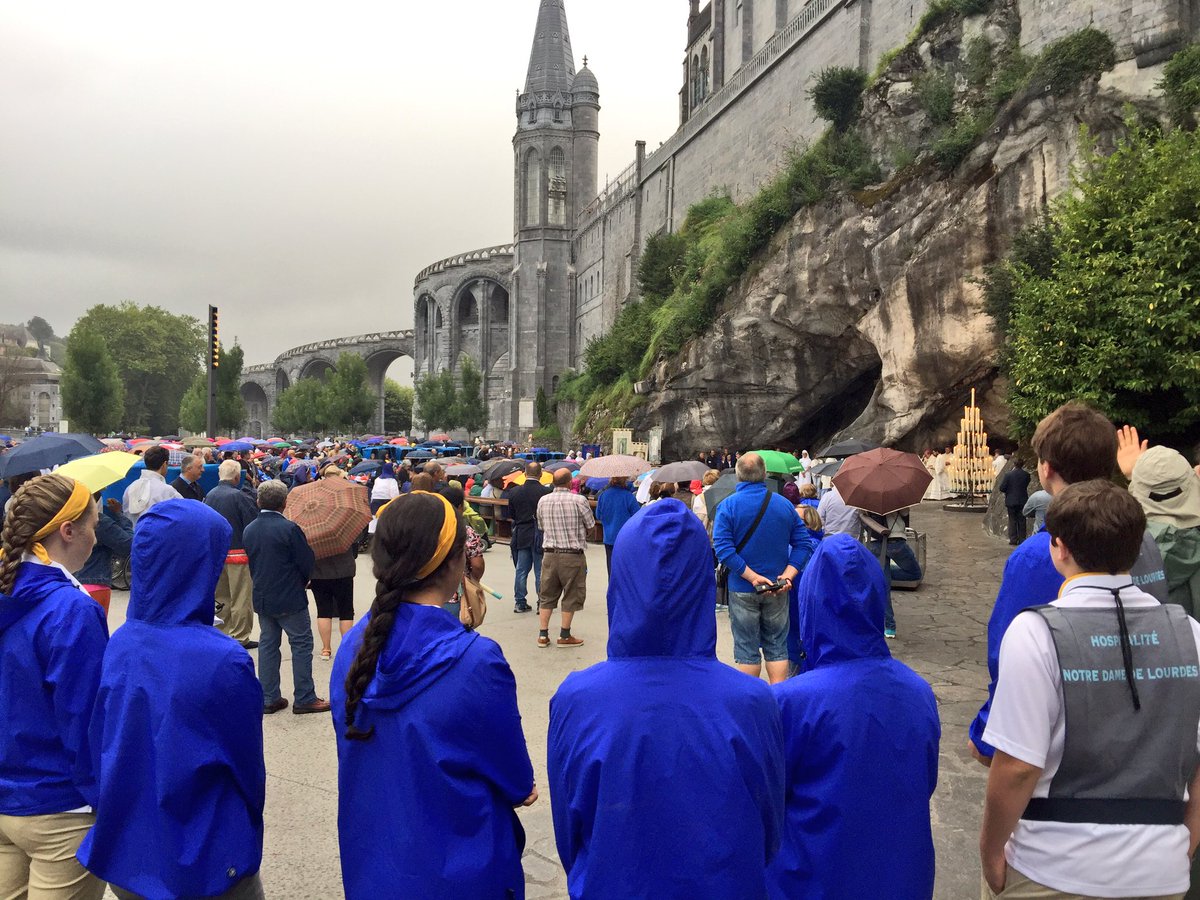
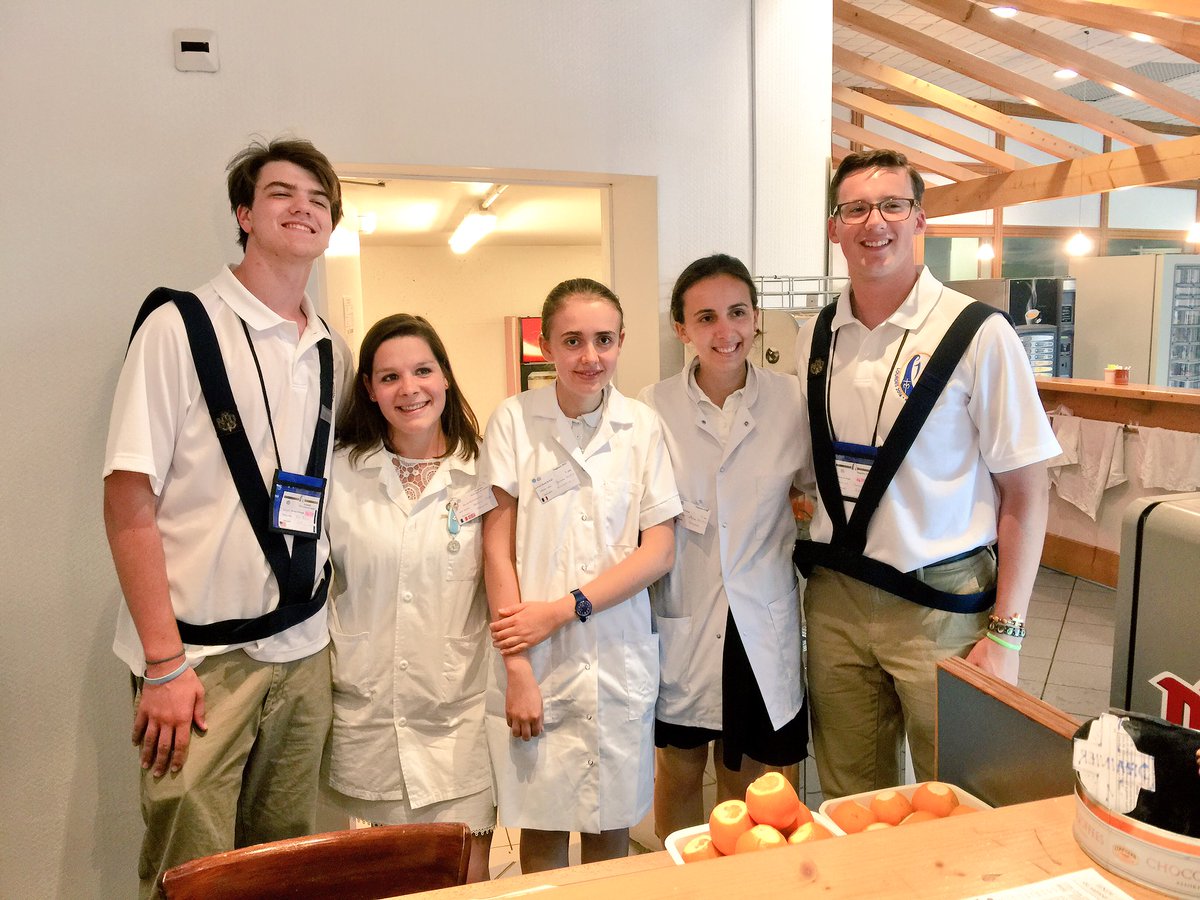
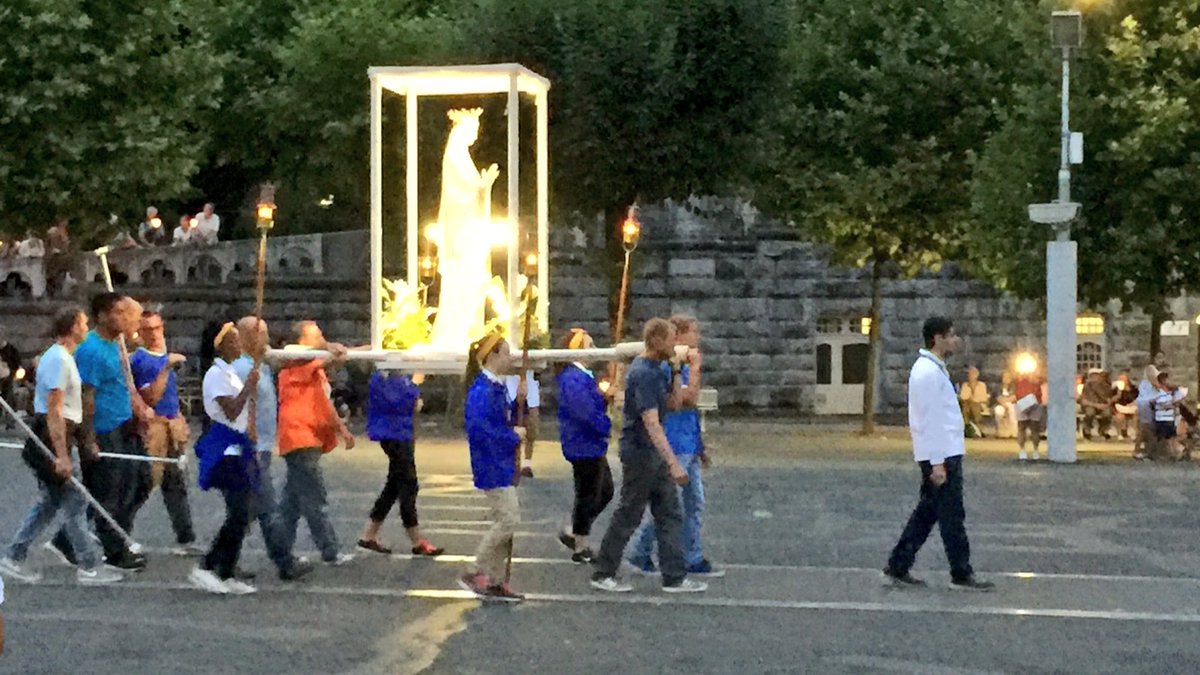


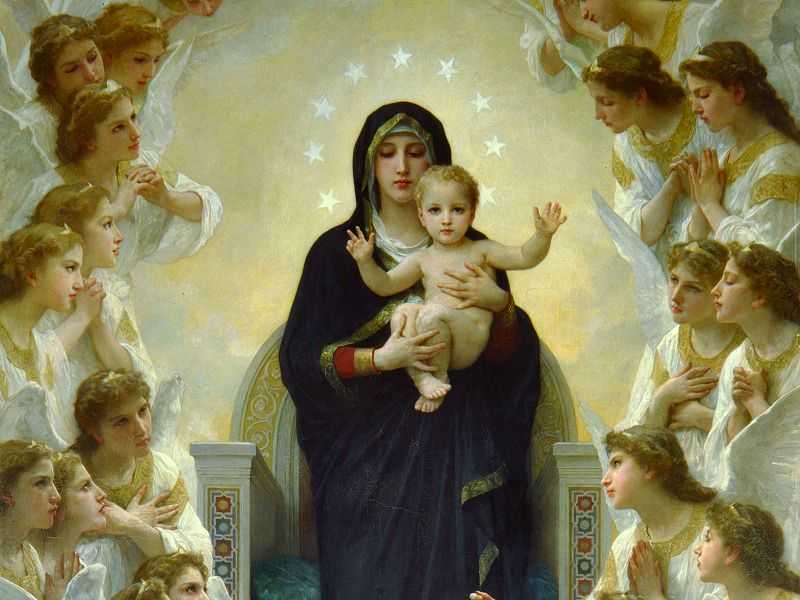 The Solemnity of the Assumption of Mary is a feast that traces its origin to the earliest ages of the Church. Tied to this feast are themes of Mary as Mother of the Church and model for the Church. In her the Church witnesses the fullness of the effects of the saving death and resurrection of Christ for humanity. The Preface for the feast’s Eucharistic Liturgy attests to this.